


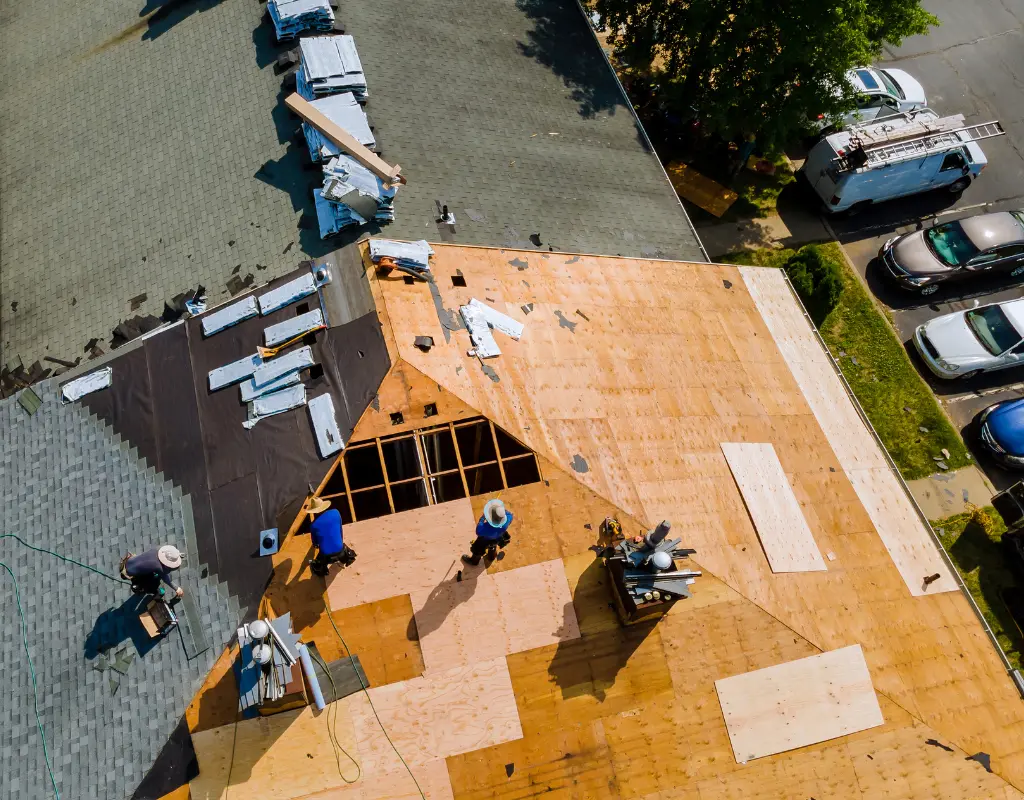
For most roof replacement or tear-off projects, the best dumpster to rent is a 20-yard roofing dumpster. It reliably handles 25 to 40 squares of asphalt shingles while staying within landfill weight limits. Smaller projects may only require a 15-yard dumpster, and lightweight roofing materials sometimes justify a 30-yard container. The right choice depends on the size of your roof, the number of shingle layers, and the type of roofing material being removed.
Choosing the right dumpster for a roofing project is more important than many homeowners realize. Asphalt shingles are extremely heavy, and even a modest roof can produce several tons of debris during a tear-off. Using a dumpster that’s too large, too small, or not designed for dense materials can lead to overweight charges, delays, and unnecessary complications.
For most residential roofing jobs, a 20-yard dumpster is the best fit. It offers enough capacity for the average single-family home while keeping the total weight manageable. Smaller roofs or partial replacements often work well with a 15-yard dumpster, and lightweight materials such as metal roofing may justify a 30-yard option. Ultimately, the right choice depends on your roof size, the number of layers being removed, and the weight of the materials involved.
Roofing debris is unique because of its density. A single roofing square, which equals 100 square feet of material, can weigh between 200 and 350 pounds depending on shingle type. Two layers of shingles nearly double the weight. By the time a full roof is removed, even a moderate-sized home can produce several tons of debris.
Roofing tear-offs usually include more than just shingles. Underlayment, drip edge, nails, vents, and decking scraps add to the volume and weight. Because of this, weight limits matter more than the physical space inside the dumpster. A large container may seem convenient, but if it encourages too much debris, it could exceed the legal hauling weight before it’s even full.
A few dumpster sizes work well for roofing, each with its own best-use scenario. Understanding them makes it easier to match your project to the right container.
A 15-yard dumpster works well for small homes, garages, sheds, or partial reroofs. These projects typically produce a manageable amount of debris and do not require excessive space. It’s a compact option that fits neatly into small driveways or narrow job sites.
The 20-yard dumpster is the workhorse of the roofing world. It handles 25 to 40 squares of asphalt shingles, depending on the thickness and number of layers. Most roofing contractors recommend this size because it provides enough room for shingles and underlayment while keeping the total weight within safe limits. It also fits comfortably in most driveways and allows roofers to toss debris directly into the container.
A 30-yard dumpster is rarely recommended for asphalt shingles because the weight builds up too quickly. However, it can be useful for metal roofing tear-offs, wood shakes, or other lighter materials that take up more space but weigh significantly less. For traditional asphalt shingle removal, sticking with a 15 or 20 yard is almost always the better option.
Roofers and contractors measure roofs in squares, so it helps to understand how many squares each dumpster can usually handle. These are general ranges that assume typical asphalt shingle weights:
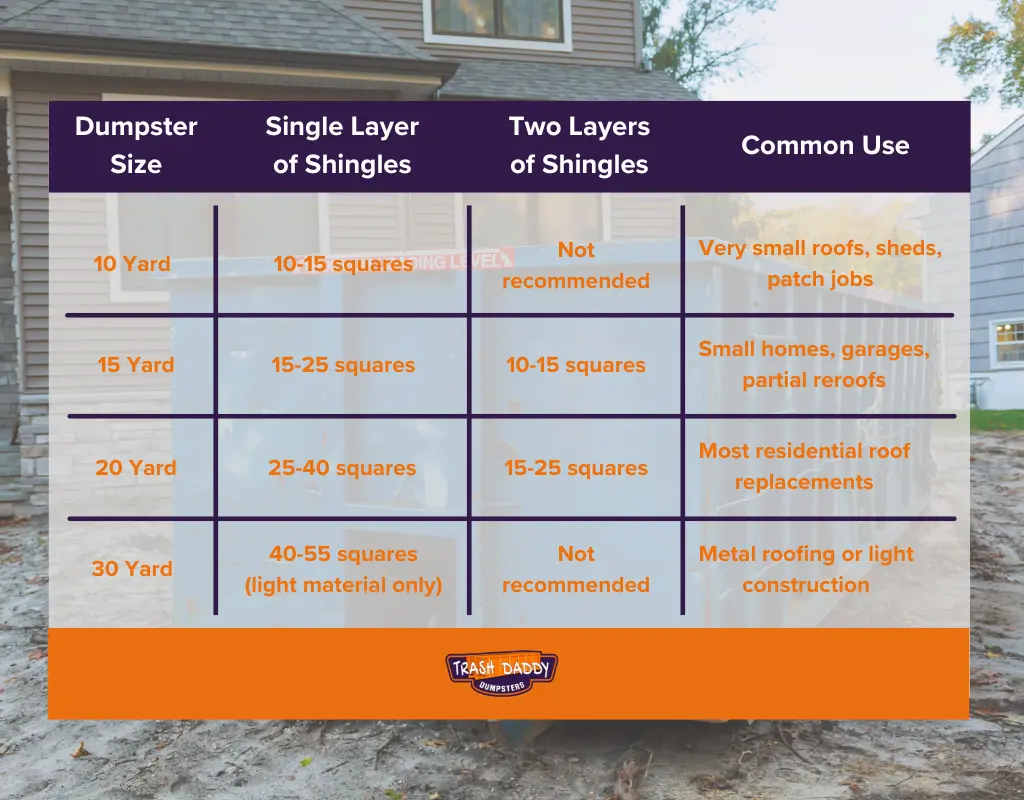
Keep in mind that 3-tab shingles usually weigh less than architectural shingles, and multiple layers are much heavier than a single layer. When in doubt, it is better to choose a conservative estimate on square count or ask your dumpster provider how many roofing squares their 20-yard dumpster typically handles.
Several variables determine how large a dumpster your roofing project needs. The overall roof size is the most obvious, but roof complexity and materials matter as well. Steeper roofs or roofs with multiple facets often create extra waste because more cutting and trimming is required.
The number of shingle layers is one of the biggest factors. Removing two layers can double the debris weight, which limits how much can safely go into the dumpster. Shingle type also influences the load. Architectural shingles weigh more than three-tab shingles, wood shakes are bulky but lighter, and metal roofing is very light yet takes up more physical space.
Local disposal rules can also affect your decision. Some landfills require roofing-only dumpsters, while others restrict mixed loads, impose strict tonnage limits, or prohibit materials like insulation, adhesives, and certain flashing. Knowing your local regulations helps you pick the right size and avoid contamination fees.
Roofing debris is subject to specific environmental and safety guidelines. Many landfills require shingles to be separated from general construction waste so they can be recycled into road base or new asphalt. If you mix roofing materials with household junk, drywall, or landscaping debris, you may face extra charges or a rejected load.
Most dumpster providers accept shingles, underlayment, nails, flashing, and small amounts of wood. Some may allow limited decking scraps, while others require lumber to be kept separate. Items like tar buckets with liquid residue, solvent containers, asbestos materials, and treated lumber are usually prohibited.
Weight rules are enforced strictly for roofing debris. A dumpster may reach its maximum legal weight long before it looks full, especially with architectural or multi-layer shingles. If you exceed that limit, the hauler may charge additional fees or refuse to pick up the container.
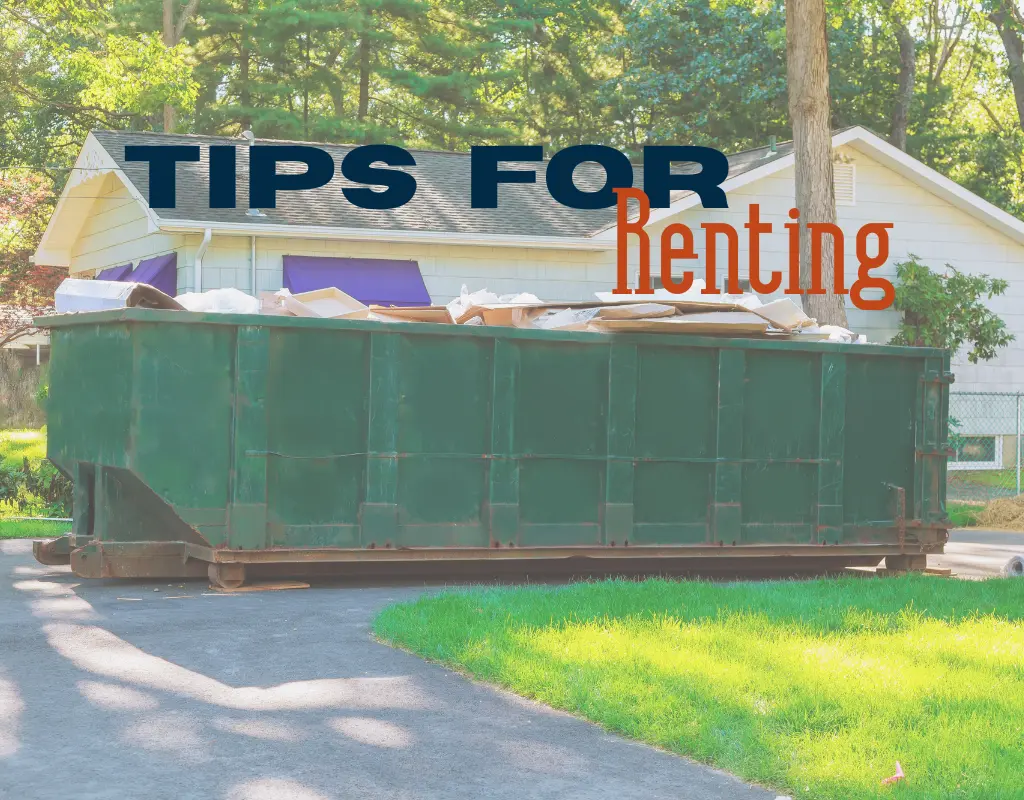
Planning ahead makes a significant difference in how efficiently a roofing project runs. It is best to schedule your dumpster delivery the day before tear-off begins. This gives your roofing crew immediate access to a disposal container and keeps debris off the driveway or lawn.
Placement is also important. Most homeowners choose to position the dumpster as close to the roofline as possible, usually at the edge of the driveway. This shortens the distance shingles need to be thrown or slid off the roof, which saves time and reduces cleanup. Protecting the driveway beneath the dumpster with plywood or a tarp helps prevent scratches and damage caused by the weight of the container.
Loading the dumpster evenly from front to back helps maintain balance and ensures safe pickup. Overfilling should be avoided entirely, since debris must remain below the top edge to meet transport laws. Finally, clarify with your rental provider which roofing materials are acceptable. This prevents accidental contamination and helps you remain compliant with local disposal rules.
The cost of renting a dumpster for roofing depends on several factors, including dumpster size, the weight of the debris, local landfill fees, and your rental duration. In most areas, a 15-yard dumpster costs between $300 and $450, while a 20-yard dumpster typically ranges from $400 to $550. A 30-yard dumpster often costs between $500 and $650, though it is rarely used for shingles.
Overage fees are the most common additional cost and are triggered when the debris exceeds the allowed tonnage. These charges are usually billed per ton and can add up quickly with dense materials like shingles. Rental periods generally include seven days, and extra days cost a small daily fee. If your project generates more debris than expected, the dumpster may need to be emptied and returned, which adds a swap-out fee. Permit costs may apply if the dumpster is placed on a public street.
What size dumpster is best for roof replacement?
For most residential roofs, a 20-yard dumpster is the best choice. It handles 25–40 squares of shingles under typical weight limits.
How many squares of shingles fit in a 20-yard dumpster?
In general, you can expect a 20-yard container to fit about 25–40 squares of asphalt shingles, depending on shingle type and layers.
Can I mix roofing debris with other construction waste?
Sometimes, but not always. Many landfills prefer roofing-only loads, so you should check with your dumpster provider before mixing materials.
Do I need a permit for a roofing dumpster?
You may need a permit if the dumpster sits in the street or in a public right-of-way. Driveway placements usually do not require a permit, but local rules can vary.
Can I use a 30-yard dumpster for shingles?
It is possible, but not recommended. A 30-yard dumpster filled with shingles can easily exceed weight limits. A 20-yard dumpster is much safer for asphalt shingles.
How long can I keep the dumpster?
Most rentals include 7-10 days, with the option to extend for a small daily fee if your project runs longer.
Selecting the right dumpster for a roofing project is essential for efficient and safe debris removal. For most homes, the 20-yard roofing dumpster remains the best choice because it provides enough room for shingles and underlayment while staying within weight limits. Smaller or partial projects may use a 15-yard dumpster, and lightweight roofing materials can fit comfortably into a 30-yard option. Understanding your roof size, shingle type, number of layers, and local disposal regulations makes the selection process straightforward and ensures a smooth, dependable roofing project from start to finish.